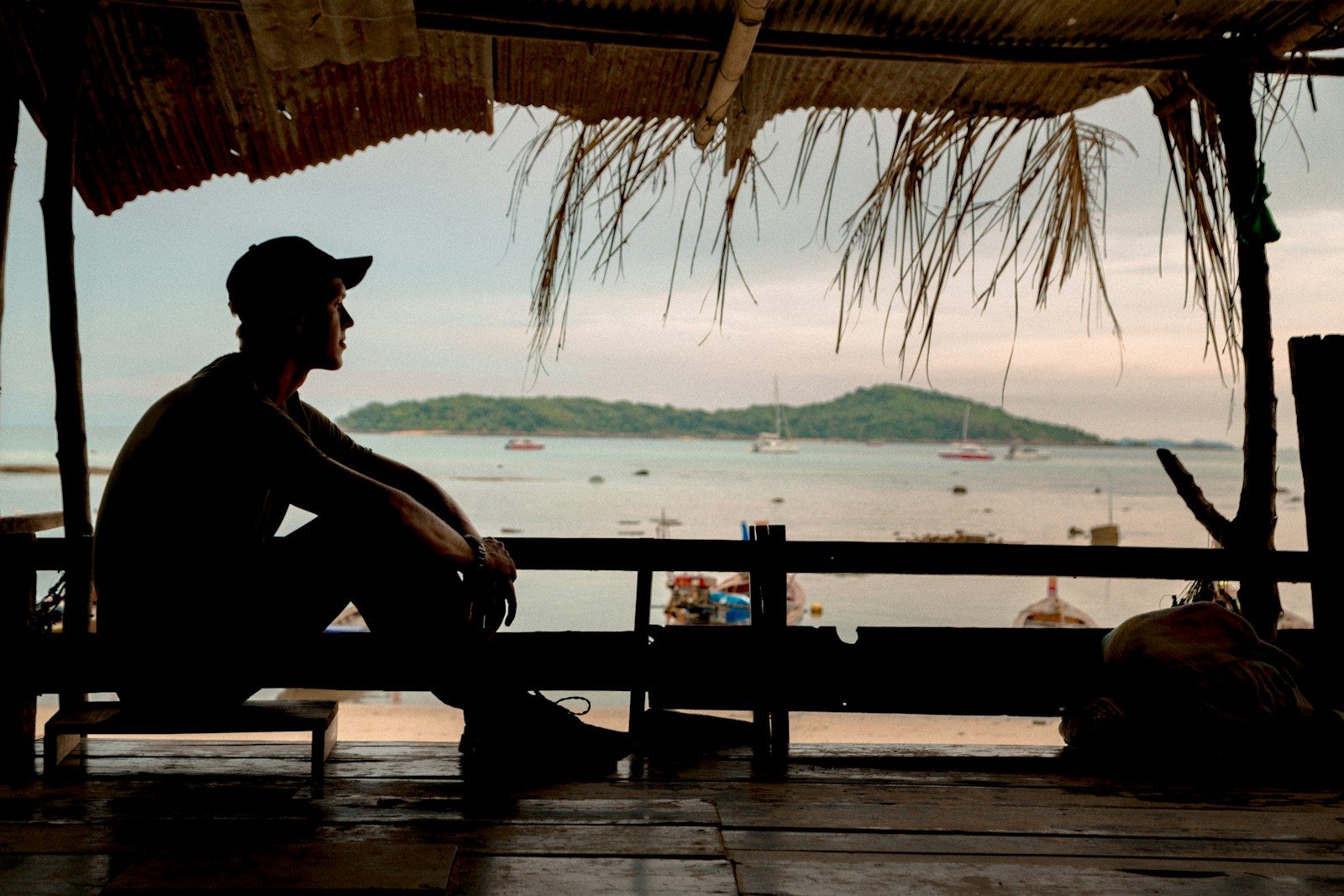
The term “digital nomad” has evolved significantly since it entered mainstream vocabulary.
In its early iteration, it described a narrow demographic — young freelancers and bloggers working from Southeast Asian beach towns on minimal income. In 2026, it describes a much broader reality: experienced professionals, senior consultants, remote-first employees, and established freelancers who have decoupled their professional output from a fixed location — and who do so with deliberate planning rather than improvisation.
The infrastructure supporting this lifestyle has matured correspondingly. Over 50 countries now offer formal digital nomad visas. International banking solutions have eliminated the friction of managing money across currencies. Coworking networks provide professional workspace in most major cities globally. And the professional tools for maintaining output quality, client relationships, and career trajectory from anywhere have never been more capable.
This guide is written for professionals — not travelers who work occasionally, but professionals who want to maintain or advance serious careers while working from multiple locations. It covers the planning, legal, financial, technological, and professional dimensions of digital nomad life at a standard appropriate for professionals with real careers at stake.
- Part 1: Is the Digital Nomad Life Right for You?
- Part 2: The Legal Foundation
- Part 3: Financial Infrastructure
- Part 4: Technology Stack for Nomads
- Part 5: Choosing Your Destinations
- Part 6: Building a Sustainable Nomad Career
- Part 7: The Practical Realities
- The Digital Nomad Toolkit: Complete Resource List
- FAQ
- Conclusion
Part 1: Is the Digital Nomad Life Right for You?
The Honest Assessment
Before addressing the practical dimensions, the most important question is whether location-independent professional life is actually suited to your specific situation — professionally, personally, and financially.
The professionals who thrive as digital nomads share certain characteristics that are worth evaluating honestly before committing to the lifestyle.
Professional fit:
Location independence is most viable for professionals whose work is entirely deliverable digitally, whose client relationships can be maintained without physical presence, and whose career advancement does not depend on being visible within a specific organizational environment.
Roles with strong digital nomad compatibility include software development, product management, UX and design, content creation and marketing, financial analysis, consulting and advisory services, writing and editing, data science, and most professional services that do not require physical presence.
Roles with poor digital nomad compatibility include those requiring physical presence — healthcare, construction, education in physical classrooms — and organizational roles where visibility and relationship-building in a specific environment are primary drivers of career advancement.
Personal fit:
The professionals who struggle most with digital nomad life are those who underestimate their need for social stability, routine environmental comfort, and close personal relationships. The freedom of constant movement that is initially appealing often becomes a source of stress when the cumulative cost of shallow social connections, perpetual orientation in new environments, and the absence of a home base accumulates over months.
Honest reflection on your need for stability — versus your tolerance for novelty and ambiguity — before committing prevents the common pattern of enthusiastic departure followed by exhausted return.
Financial fit:
Digital nomad life is financially viable when your income is sufficient to cover both the costs of location-independent living and the overhead costs that nomadic life creates — travel, accommodation variability, international banking fees, health insurance, and the productivity cost of constant environmental change.
The geographic arbitrage opportunity — earning at high-income-market rates while spending at lower-cost-of-living rates — is real and significant. But it requires earning enough in the first place to make the arbitrage meaningful.
Part 2: The Legal Foundation
Visa Options for Digital Nomads
Working from another country on a standard tourist visa is technically illegal in most jurisdictions — tourist visas permit presence for leisure purposes, not professional work that generates income.
The enforcement reality varies dramatically by destination. Many professionals work from tourist-visa countries without incident. But the legal risk is real, and the consequences of enforcement — deportation, entry bans, and complications for future travel — are significant for established professionals.
The legitimate options have expanded substantially in 2026.
Digital Nomad Visas — the legal foundation
Over 50 countries now offer formal visa categories specifically for remote workers. Requirements, processing times, and costs vary significantly but typically include:
- Proof of remote employment or freelance income above a minimum threshold (typically $2,000–$3,500 USD/month)
- Health insurance coverage in the destination country
- Clean criminal record
- Valid passport with sufficient remaining validity
Selected digital nomad visa programs in 2026:
Portugal — D8 Digital Nomad Visa One of the most established and widely used programs. Allows remote workers to live and work legally in Portugal for up to one year, renewable. Pathway to long-term residency after five years. Strong English-speaking community, excellent infrastructure, and European lifestyle. Income requirement: approximately €3,040/month. Processing time: 2–3 months.
Spain — Digital Nomad Visa Launched in 2023 and refined since. Allows remote workers to live in Spain for up to one year with renewal options. Income requirement: 200% of Spain’s minimum wage (approximately €2,646/month). Processing time: 20 working days once documentation is complete.
Costa Rica — Rentista and Digital Nomad Visa The Digital Nomad Visa allows stays of up to two years. Income requirement: $3,000 USD/month. Strong appeal for North American professionals due to minimal time zone difference, excellent infrastructure in San José and beach towns, and high English proficiency.
Estonia — Digital Nomad Visa The original digital nomad visa, launched in 2020. Allows stays of up to one year. Income requirement: €3,504/month. Estonia’s advanced digital infrastructure — it was the first country to offer e-Residency — makes it particularly well-suited for tech professionals.
Indonesia — Second Home Visa Allows stays of up to 10 years with demonstrated financial means (approximately $130,000 USD in accessible funds). Primarily relevant for professionals planning extended stays in Bali or other Indonesian destinations.
Thailand — Long Term Resident Visa Designed for high-income foreign nationals. Requires income of $80,000 USD/year or assets of $1 million USD. Provides a 10-year visa with work authorization for remote workers.
Researching your specific destination: Visa requirements change frequently. Verify current requirements directly with the destination country’s official immigration authority or through a qualified immigration attorney before making plans dependent on a specific visa program.
Tax Residency for Digital Nomads
Tax residency is the most complex and most consequential legal dimension of digital nomad life — and the one most frequently handled inadequately.
The 183-day rule: Most countries establish tax residency based on physical presence — spending more than 183 days in a country in a calendar year typically creates tax obligations there. For nomads who move between multiple countries, maintaining awareness of day counts in each jurisdiction is essential.
US citizens — worldwide taxation: The United States taxes its citizens on worldwide income regardless of where they live or work. There is no simple tax escape through relocation for American professionals. However, the Foreign Earned Income Exclusion (FEIE) allows qualifying US citizens who spend at least 330 days outside the US in a 12-month period to exclude up to $120,000 (2026) of foreign-earned income from US federal income tax. Filing requirements remain — the exclusion reduces the tax owed, not the obligation to file.
Canadian citizens — residency-based taxation: Canada taxes residents, not citizens. Canadian professionals who establish genuine non-residency — cutting residential ties including primary home, provincial health insurance, and Canadian bank accounts as their primary accounts — cease to be Canadian tax residents and are not subject to Canadian income tax on subsequent foreign income. The process of establishing non-residency has specific requirements that a cross-border tax professional should review.
The bottom line: Work with a qualified tax professional with cross-border expertise before establishing yourself as a digital nomad. The cost of professional advice — typically $500–$2,000 for initial setup — is significantly less than the cost of unresolved tax obligations.
Part 3: Financial Infrastructure
Banking for Digital Nomads
Traditional banking is poorly suited to nomadic professional life — foreign transaction fees, limited international ATM access, and currency conversion costs accumulate into meaningful annual expenses.
Wise (formerly TransferWise)
Wise is the foundational financial tool for most digital nomads — a multi-currency account that holds balances in dozens of currencies, converts between them at the mid-market rate (the real exchange rate, without bank markups), and provides a debit card that works globally without foreign transaction fees.
For professionals who receive income in one currency and spend in others, Wise eliminates the conversion markup that traditional banks charge — typically 2–3% per transaction. On $5,000 in monthly international transactions, this saves $100–$150 per month.
Wise also provides local bank account details in major currencies — allowing you to receive USD, EUR, GBP, and CAD payments as if you had a local bank account in each country, without actually needing one.
Pricing: No monthly fee. Small conversion fees at mid-market rate (typically 0.4–1.5% depending on currency pair).
Charles Schwab International Account (US professionals)
Charles Schwab’s checking account reimburses all ATM fees globally — with no foreign transaction fees and full ATM fee reimbursement at the end of each month. For professionals who need reliable cash access in destinations where card payment is not universal, this is the strongest US-based solution.
EQ Bank (Canadian professionals)
EQ Bank’s US Dollar Account provides high-yield interest on USD deposits — relevant for Canadian professionals who receive USD income and want to avoid constant currency conversion. Combined with a Wise account for multi-currency spending, EQ Bank handles the CAD savings component while Wise handles international spending.
Health Insurance for Digital Nomads
Employer health insurance typically covers treatment in your home country only. International health insurance is not optional — it is the financial protection that prevents a medical emergency from becoming a financial catastrophe.
SafetyWing Nomad Insurance
SafetyWing is the most widely used health insurance solution among digital nomads — providing international medical coverage in 185 countries at a price point accessible to most professionals.
Coverage includes hospitalization, emergency medical care, and emergency evacuation. It does not cover pre-existing conditions or routine care in your home country (limited coverage for brief home visits is included).
Pricing: From $45.08 USD/4 weeks for professionals under 39. Increases with age.
Cigna Global
For professionals who need more comprehensive coverage — including routine care, dental, and vision — Cigna Global provides full international health insurance with broader coverage than SafetyWing. Higher cost but appropriate for professionals who want coverage equivalent to employer-sponsored health insurance.
Pricing: From approximately $150–$300 USD/month depending on age, coverage level, and deductible.
Emergency Fund Considerations
The emergency fund requirement for digital nomads is higher than for location-stable professionals. Standard guidance recommends three to six months of expenses — for nomads, the practical recommendation is six months minimum, held in a liquid, accessible account.
The additional buffer accounts for:
- Flight costs for emergency return home
- Accommodation variability when preferred options are unavailable
- Equipment replacement — a broken laptop in a remote location may require expensive expedited shipping or a local replacement at premium cost
- Healthcare costs above insurance coverage
- Visa-related delays and unexpected extended stays
Part 4: Technology Stack for Nomads
The Nomad Technology Foundation
The technology infrastructure required for professional digital nomad life extends beyond the standard remote work stack. Reliability, security, and redundancy matter more when you are operating in unfamiliar environments without local IT support.
Primary device: A lightweight, powerful laptop with excellent battery life is the most important hardware investment for nomads. The MacBook Air M3 — at 1.24kg with 13–15 hours of real-world battery life — is the strongest recommendation for most professionals. Windows alternatives include the Lenovo ThinkPad X1 Carbon (1.12kg, 10–13 hours) for professionals who require Windows. See our complete guide: Best Laptops for Remote Work in 2026.
Backup device: An iPad with cellular capability provides a backup working device when your primary laptop is unavailable — charging, in repair, or being replaced. The iPad Air M3 handles most professional productivity tasks and cellular connectivity means you are not dependent on Wi-Fi availability in an emergency.
VPN — non-negotiable: A VPN is essential for professional nomads — encrypting all traffic on public and shared networks, protecting client data and professional communications, and providing access to geographically restricted services from your home country.
NordVPN is the strongest recommendation for most nomads — reliable in most countries, fast server network, and straightforward applications on all major platforms. ExpressVPN is the stronger choice for professionals who regularly work from countries with restricted internet access (China, UAE, Russia) where VPN connection reliability is more challenging.
For detailed comparison, see our guide: Best VPNs for Professionals in 2026.
Password manager: Working from multiple devices, multiple networks, and multiple countries increases the security risk of credential compromise. A password manager — 1Password or Bitwarden — ensures every account uses a unique, strong password without requiring you to remember them. See our guide: Best Password Managers for Professionals in 2026.
Connectivity stack:
Local SIM or eSIM provides primary mobile data. Airalo and Holafly offer eSIM data plans for most countries — purchasable before arrival without a physical SIM swap. A dedicated mobile hotspot device — Skyroam or GlocalMe — provides backup connectivity when local SIM options are unavailable or inadequate.
Cloud storage and backup: All active files in cloud storage — Google Drive, iCloud, or Dropbox — with automatic sync. Local backup to a portable SSD for critical files. A Backblaze subscription for continuous cloud backup of your primary device.
Noise-canceling headphones: The Sony WH-1000XM5 or Bose QuietComfort Ultra are the standard recommendation — providing the acoustic isolation needed for productive work in cafés, coworking spaces, airports, and other public environments. See our guide: Best Noise-Canceling Headphones for Remote Work in 2026.
Part 5: Choosing Your Destinations
The Destination Evaluation Framework
Not all destinations serve professional nomads equally. Evaluating destinations against professional criteria — not just lifestyle appeal — prevents the common experience of choosing a beautiful location that undermines professional productivity.
Connectivity reliability: The most important professional criterion. Research actual internet speeds and reliability in your specific neighborhood — not country averages. Nomad List (nomadlist.com) provides crowd-sourced connectivity data from recent nomad visitors that is more current and specific than official statistics.
Time zone alignment: Your working hours in a destination determine how much of your workday overlaps with clients, employers, and colleagues. This overlap is the practical constraint on where you can work professionally. A US-based professional working from Japan faces a 13–14 hour time zone difference that makes synchronous collaboration nearly impossible during normal business hours.
Practical time zone compatibility for North American professionals:
| Region | Time Difference (EST) | Overlap Viability |
|---|---|---|
| Eastern Europe (UTC+2/3) | 7–8 hours | Morning work = US afternoon |
| Western Europe (UTC+0/1) | 5–6 hours | Good overlap |
| Latin America (UTC-3 to -6) | 0–3 hours | Excellent overlap |
| East Africa (UTC+3) | 8 hours | Manageable with adjusted hours |
| Southeast Asia (UTC+7/8) | 12–13 hours | Very challenging for US overlap |
Cost of living: The financial advantage of geographic arbitrage depends on your destination’s cost of living relative to your income. For professionals earning in USD or CAD, destinations in Eastern Europe, Southeast Asia, and Latin America provide the greatest cost differential. Western European destinations provide lifestyle benefits with less financial arbitrage.
Healthcare infrastructure: The quality and accessibility of medical care in your destination is a risk management consideration. Major cities in most countries have adequate emergency medical care. Rural and remote destinations require higher health insurance coverage and more careful consideration of medical evacuation options.
Safety: Straightforward but essential. Research current safety conditions in your destination — not just historical reputation — through resources like the Government of Canada’s travel advisories (travel.gc.ca) or the US State Department’s travel advisories (travel.state.gov).
Top Digital Nomad Destinations for Professionals in 2026
Lisbon, Portugal
Consistently ranked as the top digital nomad destination for North American and European professionals — and its position is earned. Lisbon offers excellent infrastructure, reliable high-speed internet throughout the city, a large established international professional community, and Portugal’s D8 Digital Nomad Visa providing legal work authorization.
The time zone (UTC+0/+1) provides good overlap with both US Eastern and Central European business hours — making it one of the most professionally compatible European destinations for North American professionals who need to maintain US client relationships.
Cost of living is significantly lower than comparable Western European cities — a comfortable professional lifestyle in Lisbon costs $2,500–$3,500 USD/month including accommodation, compared to $5,000–$8,000 in London or Paris.
Medellín, Colombia
The leading Latin American digital nomad destination — particularly for North American professionals who need minimal time zone disruption. Medellín operates in the Colombia Time Zone (UTC-5), identical to US Eastern time, making professional collaboration seamless.
The El Poblado and Laureles neighborhoods offer excellent coworking infrastructure, reliable internet, high English proficiency among professionals, and a cost of living that allows comfortable professional living on $1,800–$2,500 USD/month.
Colombia’s digital nomad visa provides legal authorization for stays up to two years for qualifying remote workers.
Tallinn, Estonia
The most technologically advanced small capital in Europe — Tallinn’s digital infrastructure is exceptional, reflecting Estonia’s position as a global leader in digital governance and e-government. Internet is fast and reliable throughout the city.
Estonia’s e-Residency program allows digital business establishment without physical presence — relevant for professionals who want to establish a European legal entity for their freelance or consulting work.
The UTC+2/+3 time zone creates a 7–8 hour difference with US Eastern — manageable with morning-shifted schedules that overlap US afternoon business hours.
Chiang Mai, Thailand
The original digital nomad hub — Chiang Mai has supported a large remote worker community for over a decade and has developed infrastructure to match. The Nimman area offers exceptional coworking spaces, fast internet, and a mature nomad community.
The cost of living is among the lowest of any established nomad destination — comfortable professional living costs $1,200–$1,800 USD/month. The trade-off is the UTC+7 time zone — a 12–13 hour difference from US Eastern that makes real-time US collaboration very challenging.
Best suited for professionals with significant schedule flexibility or those whose clients are primarily in European or Asian time zones.
Mexico City, Mexico
Rapidly growing as a professional nomad destination — Mexico City offers the cultural richness and infrastructure of a world-class city at a fraction of the cost of comparable US or European destinations. The Roma, Condesa, and Polanco neighborhoods offer excellent coworking infrastructure and strong English proficiency among professional communities.
The UTC-6 time zone (CST) is identical to US Central time — perfect overlap for North American professional collaboration. Flight connectivity to US and Canadian cities is excellent.
Cost of living for a comfortable professional lifestyle: $2,000–$3,000 USD/month.
Part 6: Building a Sustainable Nomad Career
Maintaining Professional Relationships from Anywhere
The most significant professional risk of digital nomad life is the gradual erosion of the relationships that drive career advancement, new client acquisition, and professional opportunity. Out of sight can become out of mind in professional contexts — and the professionals who sustain successful nomad careers are those who address this proactively rather than hoping it does not apply to them.
Deliberate communication investment: Schedule regular check-in calls with key clients, mentors, and professional contacts — not only when there is a specific business reason, but as relationship maintenance. A brief monthly video call with a key client costs 20 minutes and sustains the relationship visibility that generates repeat work and referrals.
Written visibility: Publish content — LinkedIn articles, newsletter updates, professional blog posts — that maintains your professional presence and demonstrates active engagement in your field regardless of your physical location. Professionals who build a content presence are visible to their network continuously, without requiring in-person interaction.
Strategic in-person investment: Identify the two to three professional events or gatherings per year where in-person presence has the greatest relationship and career return — a key industry conference, an annual client meeting, a professional association gathering — and attend them deliberately. Location independence does not require eliminating in-person professional investment; it requires making it deliberate and high-return rather than the default operating mode.
Managing Client Relationships Across Time Zones
Set clear availability windows: Communicate your working hours and time zone to clients at the start of each engagement — and when you change locations, update them proactively. Predictable availability is more important than maximum availability. A client who knows you are reliably available 9am–12pm their time — even if that is 4pm–7pm your time — can plan around your schedule.
Over-communicate progress: In the absence of office proximity that allows clients to observe your work incidentally, replace ambient visibility with deliberate updates. Brief weekly progress notes — what you completed, what comes next, any questions or decisions needed — maintain client confidence and reduce the anxiety that can develop when clients do not hear from remote professionals for extended periods.
Document everything: Meeting notes, decision records, and project documentation serve a dual purpose for nomadic professionals: they provide the written record that replaces the institutional memory that physical proximity creates, and they demonstrate professional rigor that builds client confidence.
The Nomadic Professional’s Career Trajectory
The professionals who advance most successfully while working as digital nomads are those who invest in their professional development and career trajectory with the same intentionality they apply to their travel planning.
Skill development: The skills that command the highest rates and most location-independent demand in 2026 — AI implementation, technical product management, specialized consulting, senior software development — require continuous investment to maintain competitive value. Budget dedicated time for professional development and protect it from the lifestyle activities that nomad life makes easily accessible.
Income diversification: Nomadic professional life creates natural incentives to diversify income — building consulting retainers alongside project work, developing passive income streams that do not depend on active hours, and building professional assets (audience, reputation, published work) that generate opportunity continuously.
The exit option: The most psychologically sustainable approach to digital nomad life is maintaining it as a deliberate choice rather than a permanent commitment. Professionals who know they can return to a stable home base if they choose — and who have maintained the professional relationships and skills that make that return viable — operate with significantly less anxiety than those who have burned their bridges behind them.
Part 7: The Practical Realities
What Nomad Life Actually Looks Like Day to Day
The marketing version of digital nomad life — working from a hammock on a white sand beach — does not reflect the professional reality. The professionals who sustain productive nomad careers over years develop routines that look considerably more ordinary.
A typical productive day for a professional nomad:
Morning: Wake at a consistent time. Morning routine — same sequence of actions that signals work mode regardless of location. Coffee. 10-minute planning review. First deep work block of 2–3 hours in a quiet environment — typically their accommodation or a preferred coworking space — with no communication interruptions.
Midday: Break, lunch, movement. Brief communication window — email and messages caught up, no new work started.
Afternoon: Second work block of 2–3 hours. Client calls or collaboration scheduled during the time window that overlaps with their clients’ business hours.
Evening: Work ends at a defined time — enforced by the end-of-day ritual, not by exhaustion or deadline. Personal time for exploration, social connection, language learning, or rest.
The pattern is deliberately ordinary. The nomadic context — a different city, a different time zone, a different set of local restaurants and running routes — is the texture around a professional structure that would not look dramatically different in any city.
The Challenges Nobody Mentions
Decision fatigue from constant novelty: Every new destination requires decisions that experienced home-base professionals make automatically — where to buy groceries, which coffee shop has reliable internet, how to get to a specific neighborhood, where to find a specific service. This constant low-level decision-making is cognitively expensive, particularly during the first weeks in each new location.
The relationship deficit: Friendships built over shared experiences in a location — the colleagues, neighbors, and regular acquaintances that constitute a social ecosystem — develop slowly and are abandoned frequently in nomadic life. The accumulation of acquaintances across many cities does not fully replace the depth of relationships built over years in one place. Professionals who underestimate their need for depth in relationships find this trade-off more costly than anticipated.
Healthcare friction: Accessing non-emergency healthcare — dental care, prescription medications, specialist consultations — in unfamiliar healthcare systems with potential language barriers is more time-consuming and stressful than at home. This friction is manageable but should be factored into destination planning, particularly for professionals with ongoing healthcare needs.
Productivity variability: Not all locations support equal productivity. Some accommodation, coworking spaces, and neighborhoods simply work better for your specific professional requirements than others. Accepting this variability — and building adequate reconnaissance into your location planning — reduces the frustration of arriving at a destination that does not work for your professional needs.
The Digital Nomad Toolkit: Complete Resource List
| Category | Tool | Purpose |
|---|---|---|
| Banking | Wise | Multi-currency accounts, low-fee conversion |
| Banking | Charles Schwab | Global ATM fee reimbursement (US) |
| Health Insurance | SafetyWing | International medical coverage |
| VPN | NordVPN | Security on public networks |
| Password Manager | 1Password | Credential security across devices |
| Workspace | Notion | Remote work documentation |
| Research | Nomad List | Destination connectivity data |
| Productivity | Otter AI | Meeting documentation |
| Communication | Grammarly | Professional writing quality |
| eSIM | Airalo | International mobile data |
FAQ
How much money do I need to start as a digital nomad? A conservative starting position is three to six months of living expenses in liquid savings — covering the transition period before income stabilizes in a new arrangement, unexpected costs, and the productivity reduction common in the first one to two months. For most professionals, this means $15,000–$30,000 USD in accessible funds before transitioning.
Can I be a digital nomad as an employee rather than a freelancer? Yes — and an increasing number of professionals are. The key requirement is employer permission. Many remote-first employers permit international remote work; others have restrictions due to tax and legal considerations. Review your employment agreement and discuss with HR before working internationally as an employee.
What is the best country for digital nomads in 2026? For North American professionals prioritizing time zone alignment and cost efficiency: Medellín, Colombia or Mexico City. For those prioritizing European lifestyle and legal certainty: Lisbon, Portugal. For those prioritizing maximum cost efficiency and an established nomad community: Chiang Mai, Thailand (with adjusted expectations around US time zone overlap).
How do I handle mail and official documents while nomadic? A virtual mailbox service — Earth Class Mail, PostScan Mail, or similar — provides a permanent US or Canadian mailing address that receives, scans, and forwards physical mail. For Canadians, maintaining a mailing address with a trusted family member or friend serves the same purpose.
Is it lonely being a digital nomad? For professionals who do not actively invest in social connection, yes — significantly. For those who join coworking communities, attend local professional events, maintain consistent online communication with their home network, and make deliberate effort to build local connections in each destination, it is significantly less so. Loneliness in nomad life is primarily a function of social investment, not an inevitable feature of the lifestyle.
Conclusion
Digital nomad professional life in 2026 is more accessible, better-supported, and more professionally viable than at any previous point — but it requires more deliberate planning and more honest self-assessment than its marketing suggests.
The professionals who build sustainable, career-advancing nomadic lives are those who treat location independence as a professional project requiring the same rigor as any other significant professional undertaking: legal compliance established before departure, financial infrastructure in place, technology stack tested and reliable, professional relationships actively maintained, and career trajectory deliberately managed.
The lifestyle rewards are real. The professional and personal trade-offs are real. The planning required to make it work is substantial but entirely manageable for professionals who approach it seriously.
If you are considering this path: start with the legal and tax foundation. Build the financial infrastructure. Test the lifestyle with a defined 3–6 month period before committing permanently. And approach the professional maintenance of your career with the same intentionality you apply to choosing your next destination.
Done right, it is one of the most genuinely enriching professional lifestyle choices available in 2026.


Comments